Recommended Reads
A short list of books on self-worth, boundaries, family patterns, and the inner critic, for women working through impostor syndrome, perfectionism, and low self-esteem.
These aren't required reading. They're companions, things that have shaped how I think about this work, and might meet you wherever you are right now.
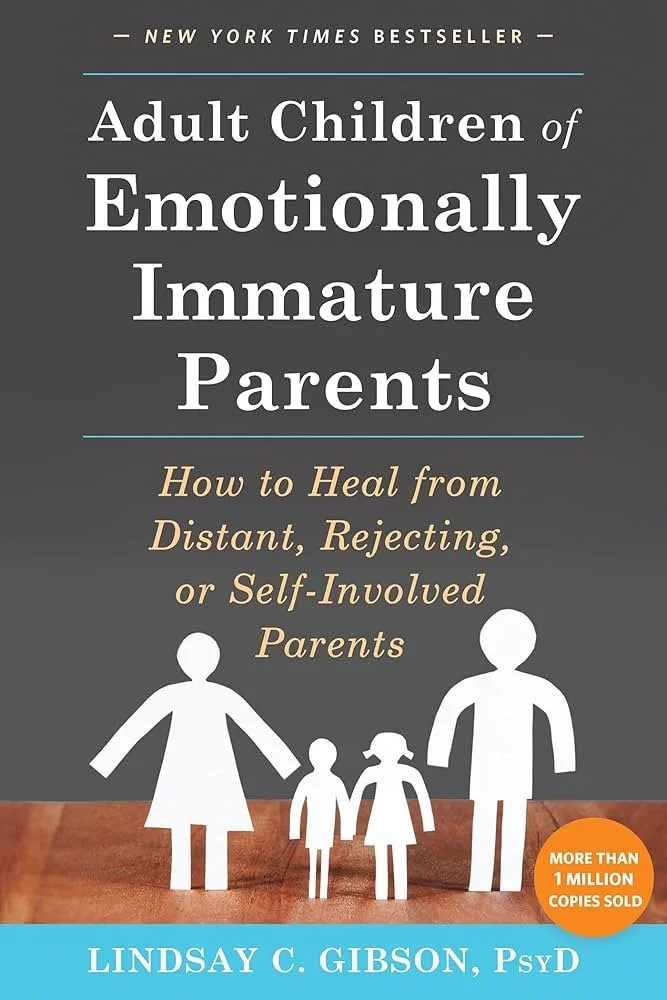
Adult Children of Emotionally Immature Parents by Lindsay C. Gibson
What it's about:
Gibson identifies how emotionally immature parents create lasting wounds in their children and provides a framework for understanding these painful dynamics.
Why I recommend it:
If you grew up feeling invisible, misunderstood, or like you had to be the adult in your family—this book names what happened to you. Gibson doesn't just explain the problem; she gives you language for the loneliness you felt and validates that your emotional needs were real and reasonable. For women from complex families, this is often the first time someone says: "Your parents' limitations weren't your fault, and you deserved better." That validation alone can shift everything.
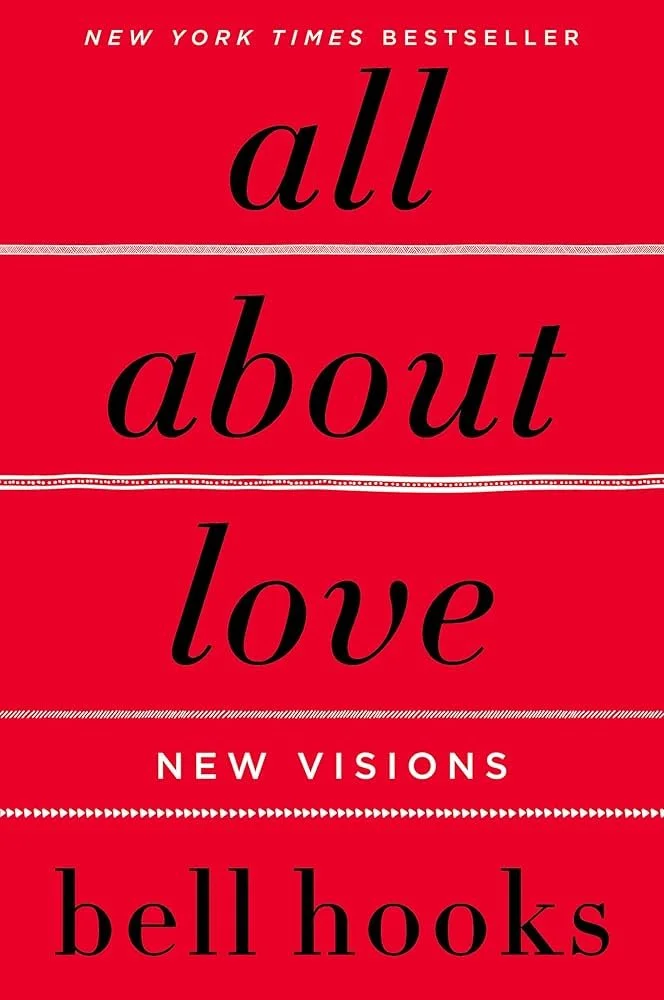
All About Love by bell hooks
What it's about:
bell hooks examines what love actually is—not the romanticized version we're sold, but love as a practice of care, respect, and honesty.
Why I recommend it:
If you grew up in a family where love felt conditional or confusing, bell hooks offers something revolutionary: a clear definition of what love looks like in action. She challenges the idea that love is just a feeling and reframes it as a choice and a practice. For women who struggle to recognize healthy love because they never experienced it consistently, this book becomes a blueprint. It helps you see where love was absent in your family—not to blame, but to understand what you're now learning to give yourself.
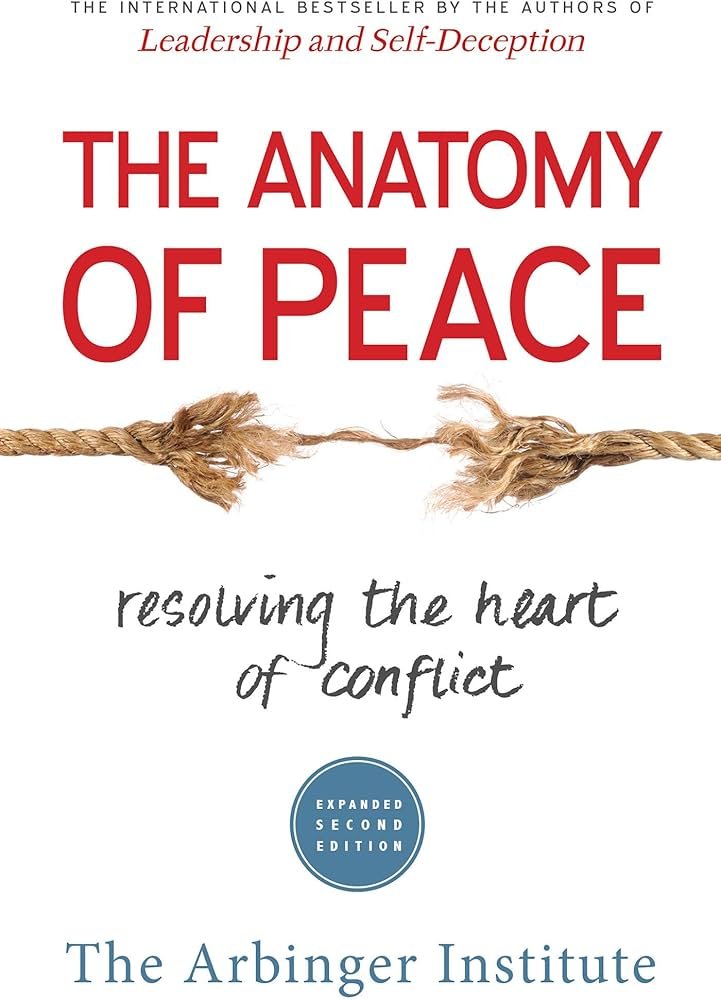
The Anatomy of Peace by The Arbinger Institute
What it's about:
This book explores how we create conflict by seeing others as objects rather than people, and how shifting that view transforms relationships.
Why I recommend it:
Family conflict often feels impossible to resolve because everyone's dug into their position. This book offers a completely different lens: what if the issue isn't who's right, but how we're seeing each other? For women trying to navigate complex family dynamics without losing themselves, this framework helps you stay grounded in your values while understanding—not excusing—your family's behavior. It's particularly powerful when you're learning to set boundaries without needing your family to agree or understand.
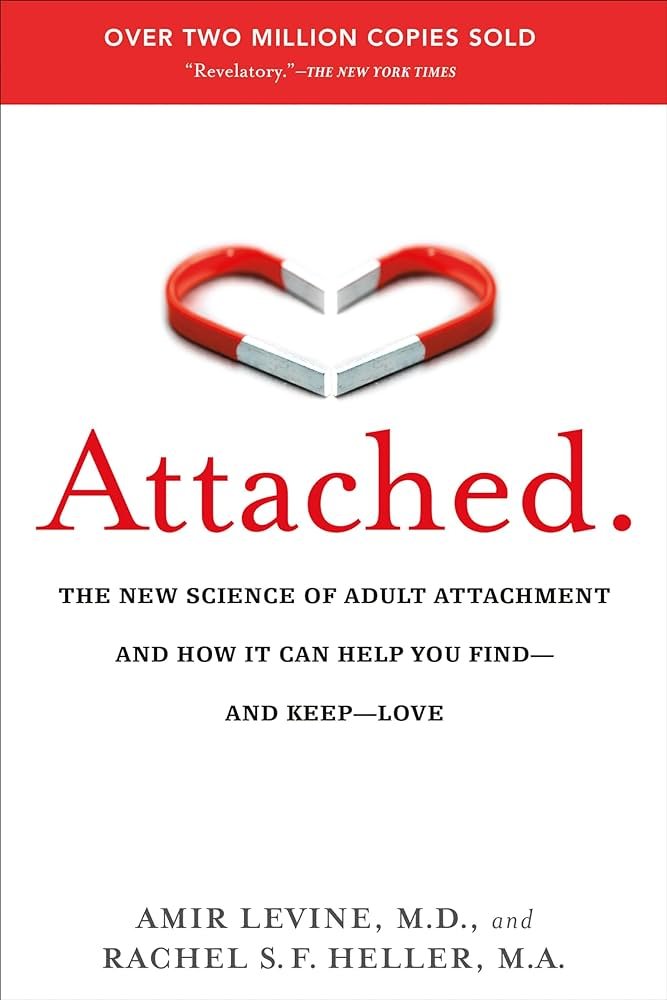
Attached: The New Science of Adult Attachment by Amir Levine and Rachel Heller
What it's about:
Levine and Heller explain how early attachment experiences shape adult relationships and provide strategies for developing secure attachment.
Why I recommend it:
If your family taught you that closeness equals loss of self, or that depending on others means getting hurt, your attachment style is running the show in your adult relationships. This book helps you understand why you choose the partners you choose, why intimacy feels threatening, and how to recognize secure love when it shows up. For daughters of complex families, understanding your attachment style isn't about self-blame—it's about seeing the survival strategy you developed and deciding if it still serves you.
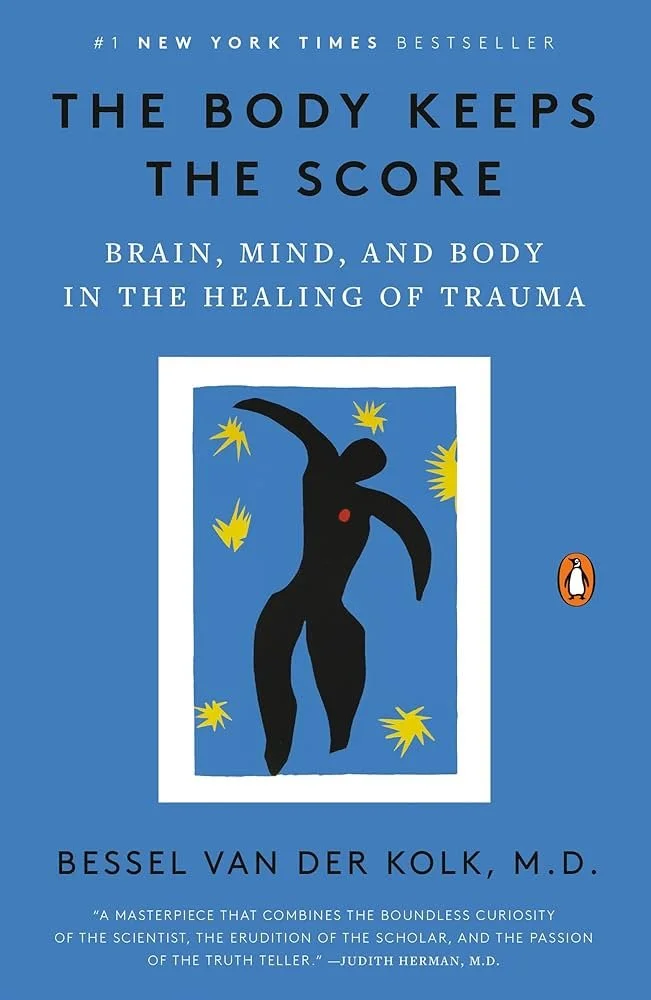
The Body Keeps the Score by Bessel van der Kolk
What it's about:
Van der Kolk explores how trauma lives in the body and nervous system, not just in our thoughts and memories.
Why I recommend it:
Growing up in a complex family isn't just emotionally taxing—it's stored in your body. The anxiety that spikes when you try to set boundaries, the way your stomach drops when your phone rings, the exhaustion you can't explain—that's trauma. Van der Kolk explains why traditional talk therapy sometimes isn't enough and offers body-based approaches to healing. For women who feel like they understand their family dynamics intellectually but still can't shake the physical responses, this book connects those dots.
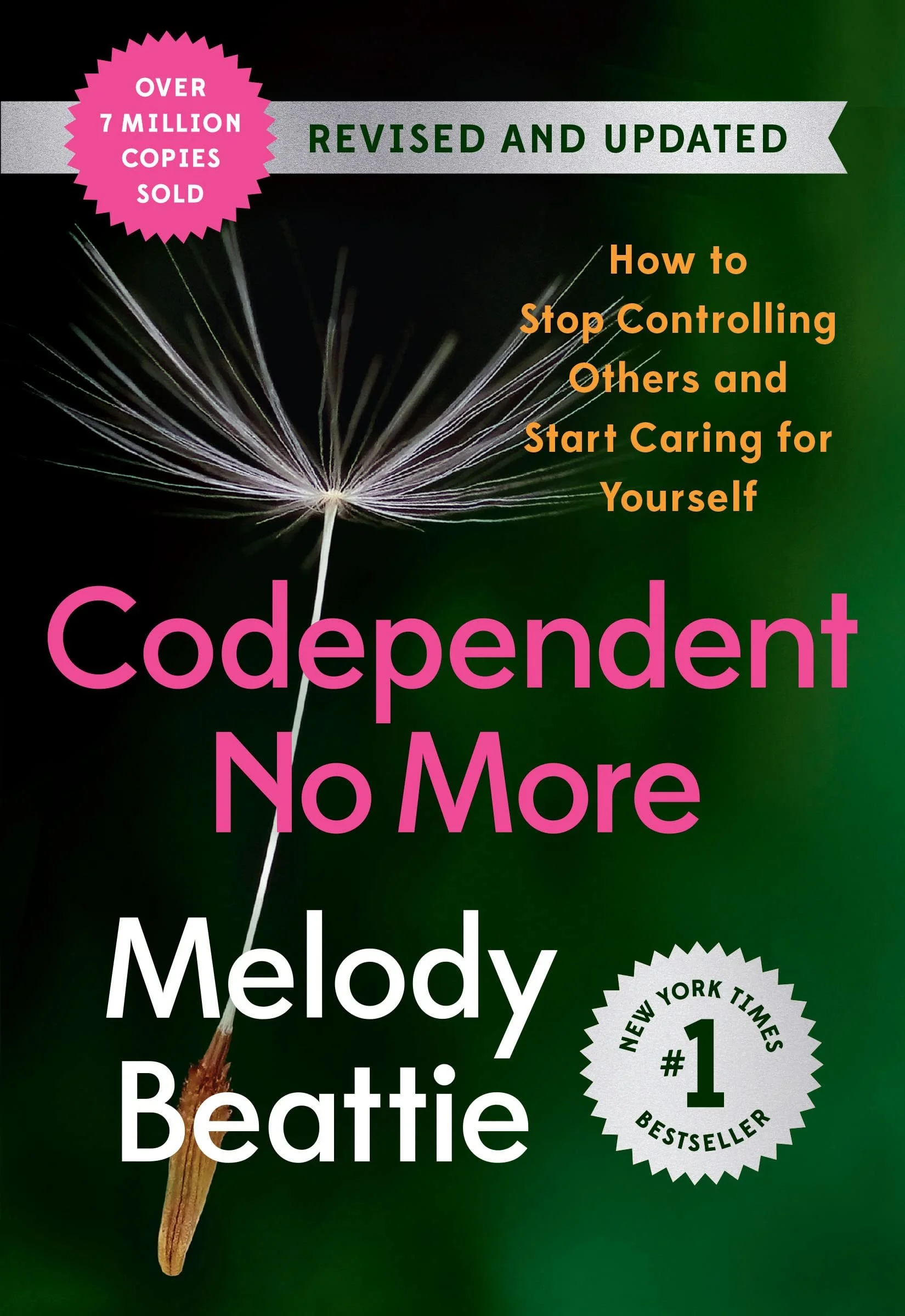
Codependent No More by Melody Beattie
What it's about:
Beattie defines codependency and offers practical tools for recognizing and breaking free from patterns of over-responsibility and self-abandonment.
Why I recommend it:
If you were the family caretaker, the responsible one, or the emotional manager—you probably developed codependent patterns without realizing it. This book names what you've been doing: making yourself small so others can feel big, managing everyone's emotions but your own, believing your worth depends on being needed. Beattie's approach is direct and compassionate, offering concrete strategies for reclaiming your life. It's not about becoming selfish; it's about remembering you're a person, not a support system.
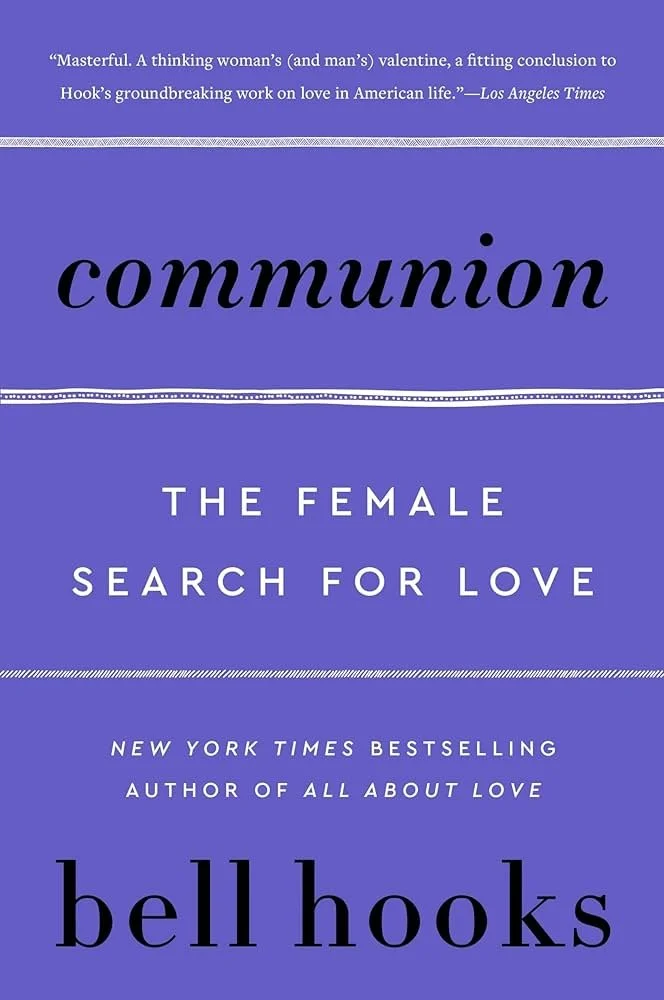
Communion: The Female Search for Love by bell hooks
What it's about:
bell hooks examines how patriarchy and capitalism shape women's understanding of love, particularly in romantic relationships.
Why I recommend it:
Many women from complex families learned early that their value lies in their caregiving, their beauty, or their ability to not need too much. bell hooks disrupts that conditioning and calls women back to themselves. She challenges the fairy tales we were sold and invites us to build relationships rooted in mutuality, not sacrifice. For daughters who've spent their lives performing to earn love, this book offers permission to stop performing and start connecting authentically.
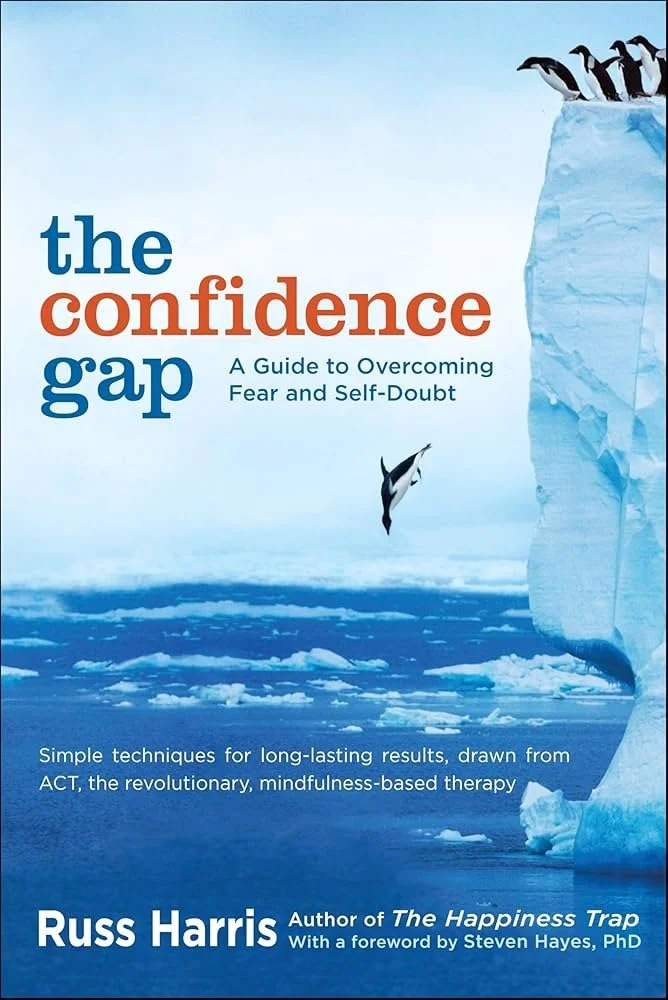
The Confidence Gap by Russ Harris
What it's about:
Harris uses Acceptance and Commitment Therapy (ACT) principles to help readers take action toward their values even when confidence is lacking.
Why I recommend it:
If you're waiting to feel confident before you set boundaries, speak up, or prioritize yourself—you'll be waiting forever. Harris flips the script: you don't need confidence first; you need action. This book teaches you to move through fear rather than eliminate it, which is crucial for women from complex families who've been conditioned to avoid conflict at all costs. It's about building courage by doing the thing that scares you, then doing it again.
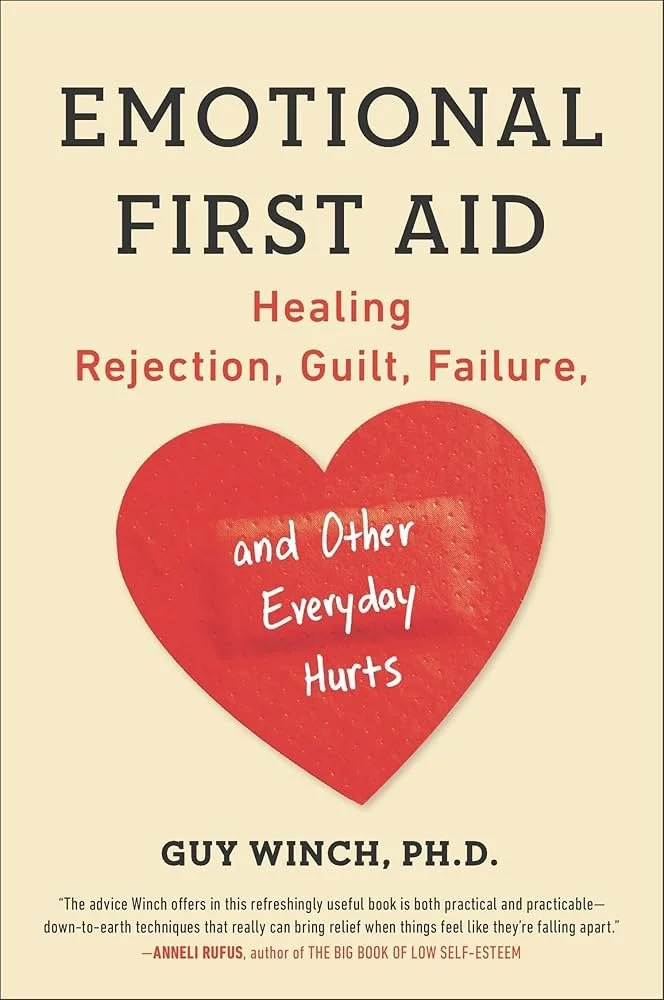
Emotional First Aid by Guy Winch
What it's about:
Winch provides practical, evidence-based strategies for healing common emotional wounds like rejection, guilt, failure, and loneliness.
Why I recommend it:
Most of us learned to tend physical wounds but never learned how to heal emotional ones—especially if our families dismissed or minimized our feelings. Winch offers concrete tools for addressing the everyday emotional pain that accumulates when you grow up in a complex family. This book is for women who need permission to take their emotional pain seriously and practical strategies for addressing it. It's like having a first aid kit for your heart.
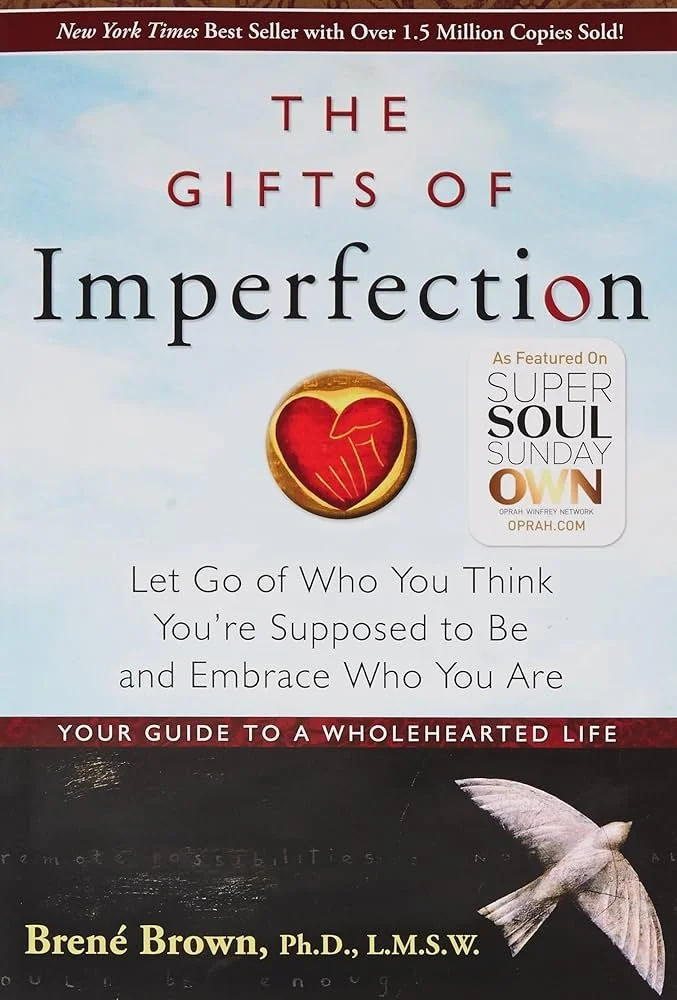
The Gift of Imperfection by Brené Brown
What it's about:
Brown explores shame, vulnerability, and the courage required to embrace imperfection and cultivate self-worth.
Why I recommend it:
If you were raised to believe your worth was earned through perfection, achievement, or never needing anything—Brown's work will challenge that foundation. She names the shame that keeps women from complex families stuck in cycles of proving and performing. Her research-based approach offers validation that you're not broken for struggling with self-worth; you're human. This book helps you distinguish between guilt (I did something bad) and shame (I am bad), which is essential for breaking generational patterns.
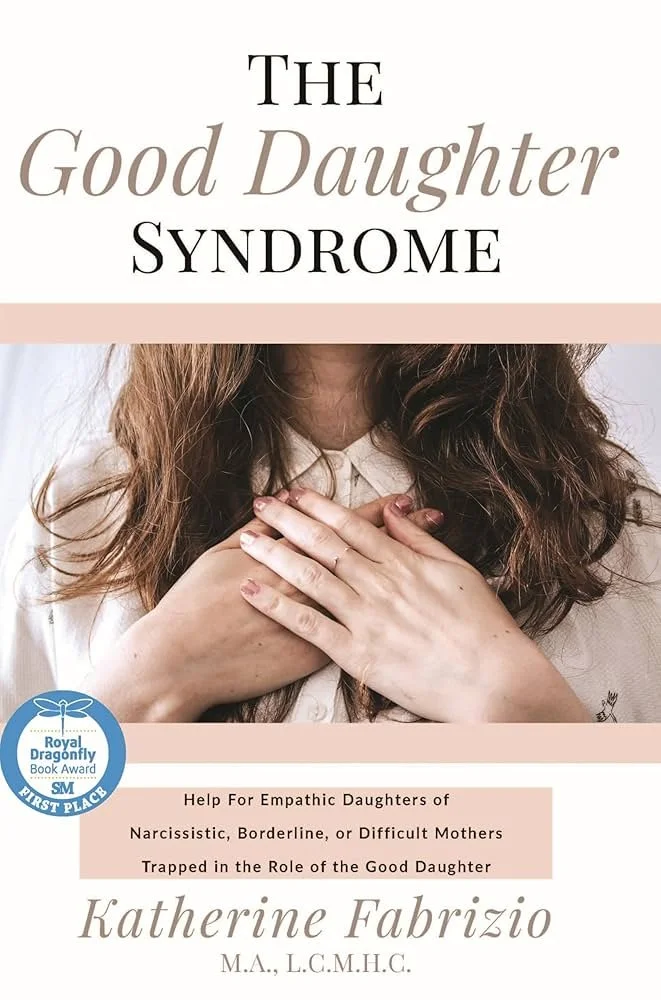
The Good Daughter Syndrome by Katherine Fabrizio
What it's about:
Fabrizio examines the pressure daughters face to be "good" and how that role limits their authentic selves and personal growth.
Why I recommend it:
This book speaks directly to the women I work with: the ones who did everything right, followed all the rules, and still feel empty. Fabrizio validates that being the "good daughter" came at a cost—often your sense of self. She explores how cultural and familial expectations shape daughters differently than sons, and offers permission to redefine what "good" means on your own terms. For women ready to stop living out a role they never chose, this book is a gentle but powerful invitation to reclaim themselves.
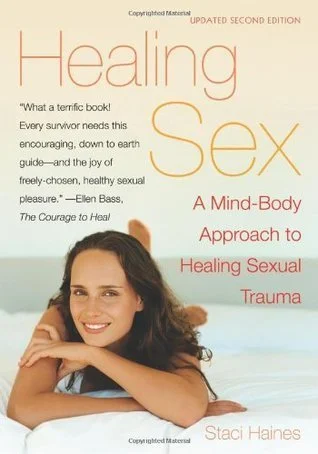
Healing Sex: A Mind-Body Approach to Healing Sexual Trauma by Staci Haines
What it's about:
Haines offers a body-centered approach to healing from sexual trauma and reclaiming pleasure and agency.
Why I recommend it:
Sexual trauma doesn't always look like what we've been told it looks like, and it doesn't always get addressed in traditional therapy. Haines integrates somatic work with trauma healing, recognizing that sexual wounds live in the body. For women whose boundaries were violated or whose bodies were never truly their own, this book offers a path toward reclaiming physical autonomy and pleasure. It's tender, practical, and honors the complexity of healing.
How Can I Get Through to You? by Terrence Real
What it's about:
Real examines how traditional masculinity damages intimate relationships and offers strategies for deeper connection.
Why I recommend it:
If you're in a relationship with someone who struggles with emotional availability, or if your father was emotionally absent, this book helps you understand what's happening. Real doesn't excuse harmful behavior, but he does explain the cultural conditioning that creates it. For daughters of emotionally distant fathers, this book can help you stop taking that distance personally and recognize it as a limitation they carry, not a reflection of your worth.
I Don't Want to Talk About It by Terrence Real
What it's about:
Real explores hidden depression in men and how it manifests through anger, control, and emotional withdrawal rather than sadness.
Why I recommend it:
Many women from complex families had fathers or male figures who were never diagnosed with depression but clearly struggled. This book names what you might have sensed but couldn't articulate: that anger and control can be symptoms of depression. Understanding this doesn't heal your childhood wounds, but it can help you stop blaming yourself for your father's emotional unavailability. It's particularly valuable for women who internalized their father's distance as evidence they weren't lovable enough.
It Didn't Start with You by Mark Wolynn
What it's about:
Wolynn examines how trauma and emotional patterns are passed down through generations, even when the original events aren't discussed.
Why I recommend it:
Sometimes your struggles don't make sense based on your own life experiences—but they make perfect sense when you look at your family's history. Wolynn explores inherited trauma and how unresolved pain from previous generations shows up in your life. For women from immigrant families, families with unspoken traumas, or families who "never talk about it," this book offers a framework for understanding patterns that predate you. It helps you see that breaking the cycle isn't just about you—it's about your entire lineage.
A Liberated Mind by Steven C. Hayes
What it's about:
Hayes, the founder of Acceptance and Commitment Therapy (ACT), explains how psychological flexibility allows us to live according to our values rather than being controlled by our thoughts and feelings.
Why I recommend it:
If you're stuck in cycles of self-criticism, guilt, or rumination about your family, ACT offers a different approach: you don't have to change your thoughts; you have to change your relationship to them. Hayes teaches you to notice painful thoughts without being controlled by them, which is essential for women who've internalized their family's criticism. This book helps you move from "fixing" yourself to living your values, even when difficult emotions show up.
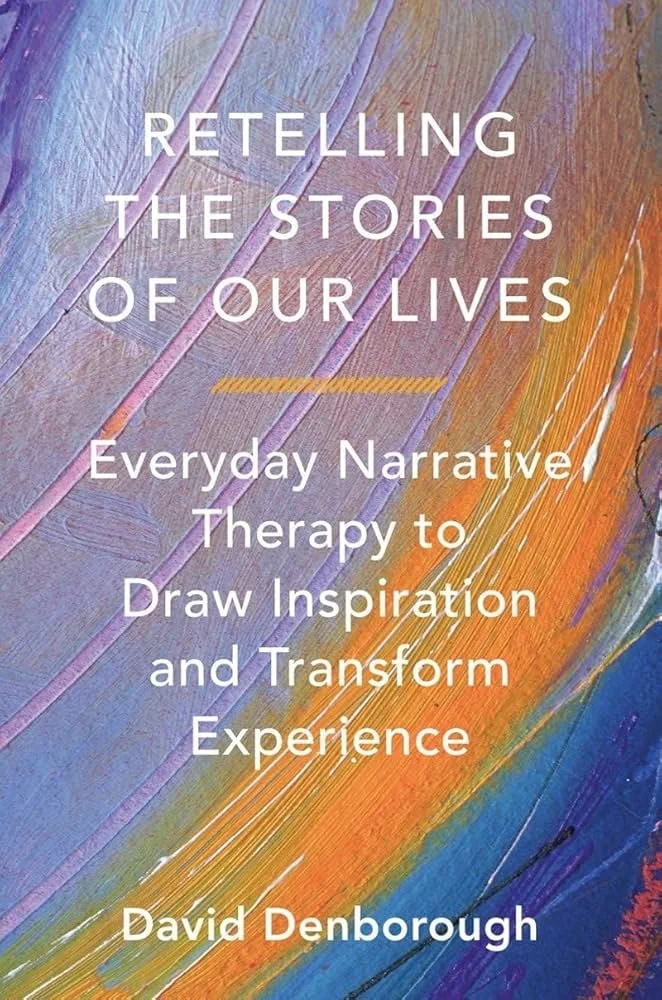
Retelling the Stories of Our Lives by David Denborough
What it's about:
Denborough introduces narrative therapy principles and shows how reauthoring your life story can create healing and change.
Why I recommend it:
The stories you tell about yourself—"I'm too sensitive," "I'm the problem," "I'll never be good enough"—were often written by your family, not by you. Denborough offers tools for examining those narratives and choosing new ones that honor your truth. For women who've spent years believing they were the source of family dysfunction, this book helps you separate yourself from the role you were assigned. You get to rewrite the story with yourself as a complex, worthy protagonist, not a supporting character.
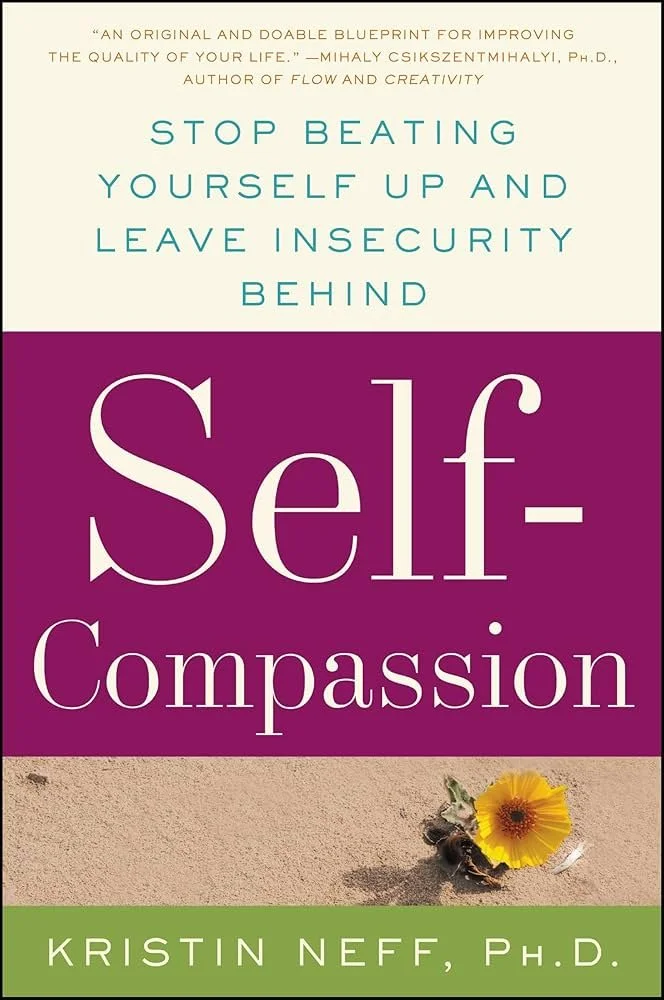
Self-Compassion by Kristin Neff
What it's about:
Neff introduces the concept of self-compassion and provides research-backed strategies for treating yourself with the same kindness you'd offer a friend.
Why I recommend it:
If you grew up in a family that prioritized achievement over emotional support, self-compassion can feel foreign or even dangerous. Neff's research makes the case that self-compassion isn't self-indulgence—it's a prerequisite for resilience and growth. She offers practical exercises for developing self-kindness, common humanity, and mindfulness. For women who are their own harshest critics, this book provides permission to soften toward yourself without losing your edge or ambition.
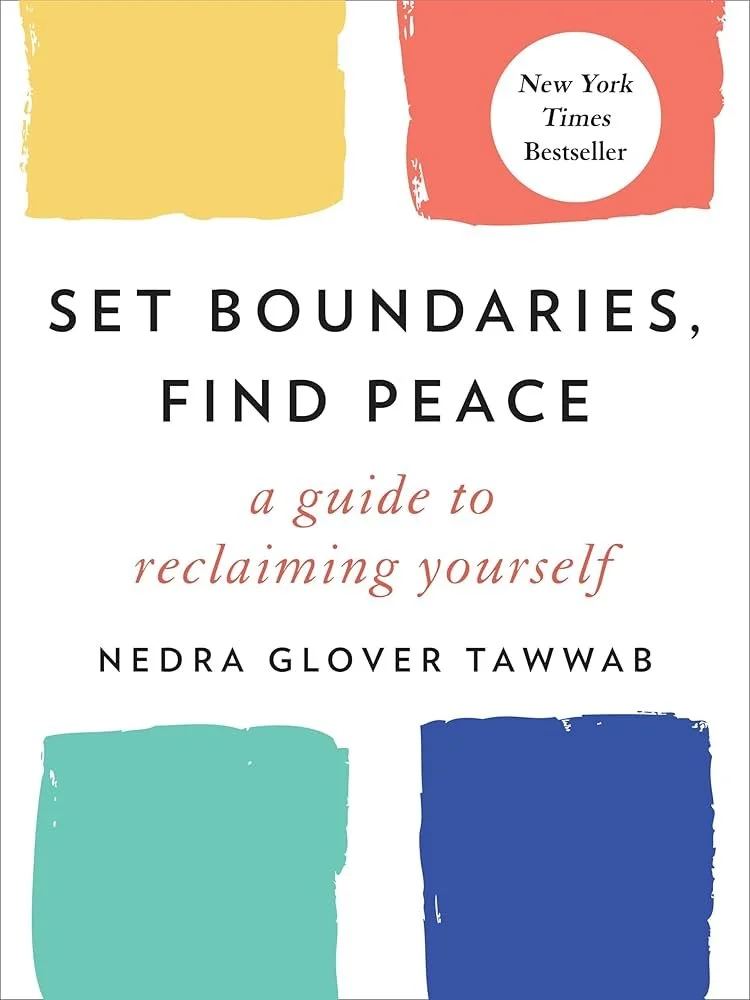
Set Boundaries, Find Peace by Nedra Glover Tawwab
What it's about:
Tawwab offers a comprehensive, accessible guide to understanding and implementing boundaries in all areas of life.
Why I recommend it:
If "boundaries" feels like a buzzword you don't know how to apply, Tawwab breaks it down with clarity and compassion. She addresses the guilt, fear, and pushback that come with boundary-setting, especially for women from families where boundaries were punished or ignored. This book doesn't just tell you boundaries are important; it shows you exactly what they look like, sound like, and how to maintain them when people test them. For women ready to stop over-functioning and start protecting their energy, this is essential reading.
The Sexual Healing Journey by Wendy Maltz
What it's about:
Maltz provides a comprehensive guide for survivors of sexual abuse to reclaim their sexuality and heal from trauma.
Why I recommend it:
Sexual abuse is often surrounded by silence, especially in families where image matters more than truth. Maltz creates a safe, structured path for survivors to process their experiences and reclaim their bodies and sexuality. This book is gentle but unflinching, acknowledging the deep impact of sexual trauma while offering hope for healing. For women whose families minimized, denied, or blamed them for abuse, this book provides validation and practical steps toward reclaiming your body as your own.
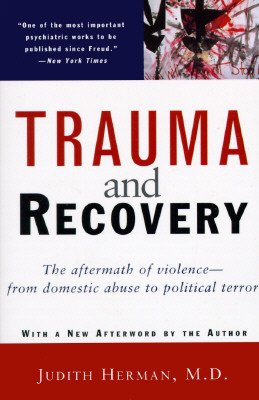
Trauma and Recovery by Judith Lewis Herman
What it's about:
Herman examines the psychological aftermath of trauma and outlines a three-stage recovery model: safety, remembrance, and reconnection.
Why I recommend it:
This book is a foundational text in trauma work, and for good reason. Herman doesn't shy away from the reality that healing from complex trauma is a long process that requires safety, validation, and community. For women from families where trauma was denied or normalized, this book provides a framework for understanding what happened to you and what recovery actually looks like. It's thorough, compassionate, and deeply validating for survivors who've been told they should "just get over it."
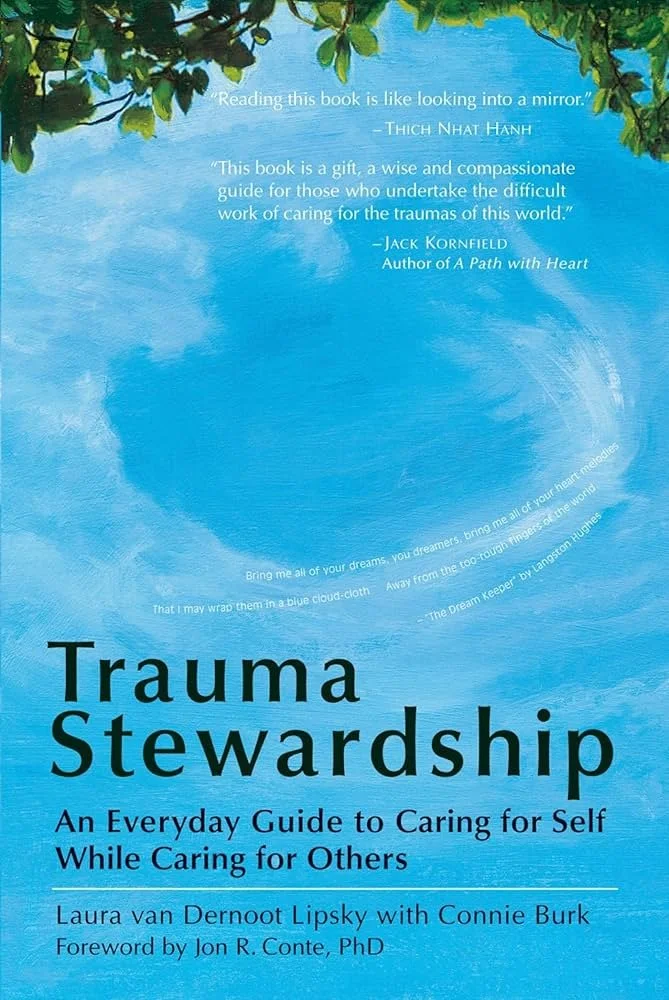
Trauma Stewardship by Laura van Dernoot Lipsky and Connie Burk
What it's about:
Lipsky examines how exposure to others' trauma affects caregivers and offers strategies for sustaining yourself while doing difficult work.
Why I recommend it:
If you grew up as the family caretaker or emotional manager, you're intimately familiar with vicarious trauma even if you've never heard the term. This book isn't just for professional helpers—it's for anyone who absorbed their family's pain and carried it as their own. Lipsky offers language for what you experienced and strategies for protecting yourself going forward. It validates that caretaking takes a toll and provides tools for staying compassionate without self-abandoning.
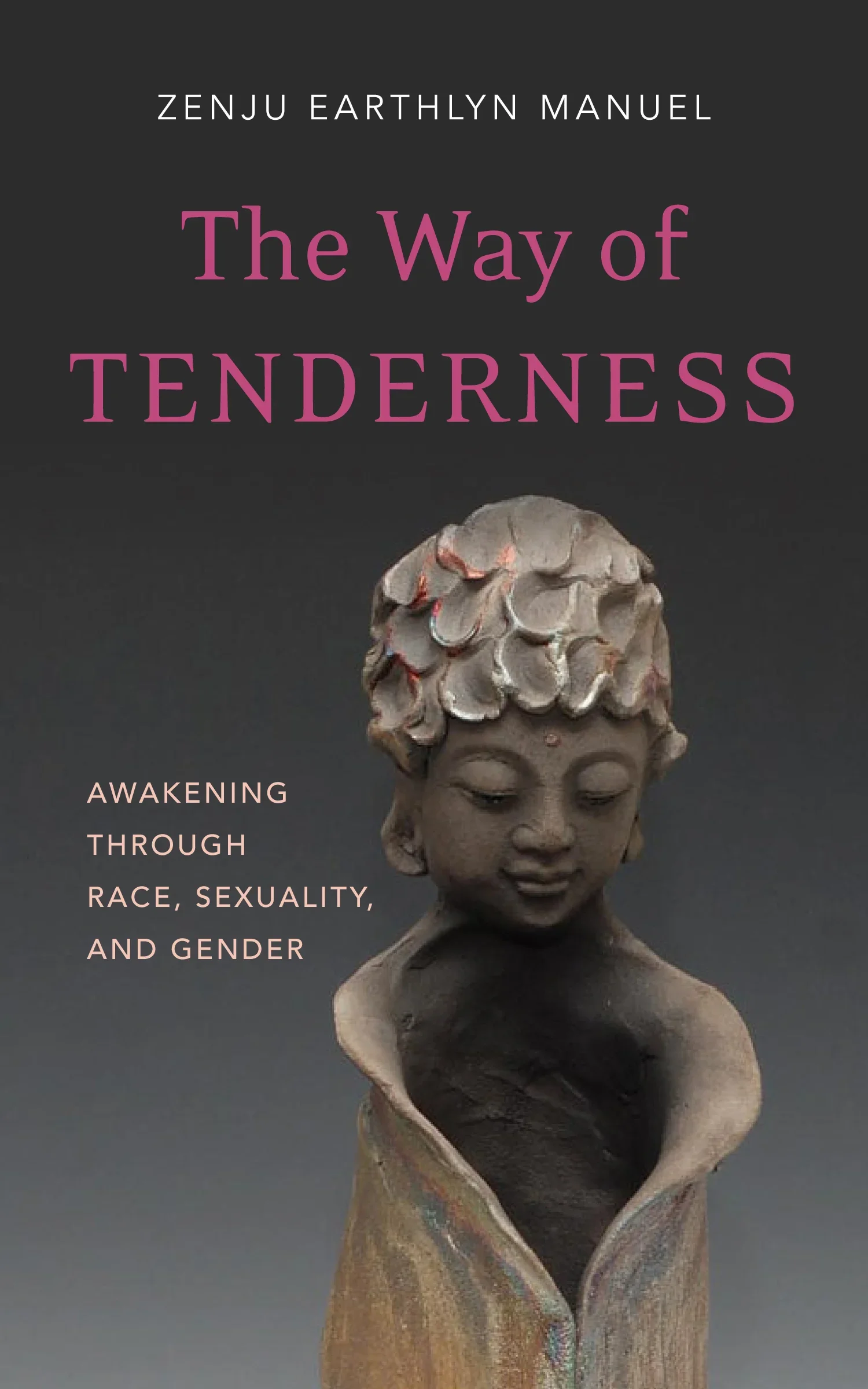
The Way of Tenderness by Zenju Earthlyn Manuel
What it's about:
Manuel explores Zen Buddhist practice through the lens of Black, queer, and female experience, emphasizing tenderness as a path to awakening.
Why I recommend it:
For women who've spent their lives being strong, competent, and unbreakable, Manuel offers something radical: tenderness as strength. She integrates spiritual practice with the realities of living in a body that's been marginalized, offering a path toward healing that honors both suffering and transcendence. This book is particularly powerful for Black women and women of color whose families taught them to armor up as a survival strategy. Manuel shows that tenderness isn't weakness—it's liberation.
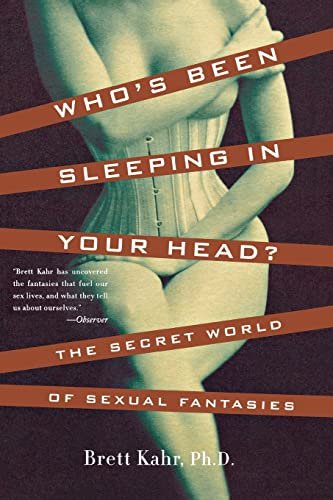
Who's Been Sleeping in Your Head? by Brett Kahr
What it's about:
Kahr presents research on sexual fantasies and explores what they reveal about our unconscious minds and unresolved conflicts.
Why I recommend it:
Sexual fantasies often carry themes from our earliest relationships and unmet needs. For women from complex families, understanding the psychological underpinnings of fantasy can be illuminating—not to judge yourself, but to understand how your mind is processing old wounds. Kahr approaches this topic with curiosity rather than shame, which is essential for women who've been taught their sexuality should be hidden or controlled. This book helps you see your inner world with compassion rather than judgment.
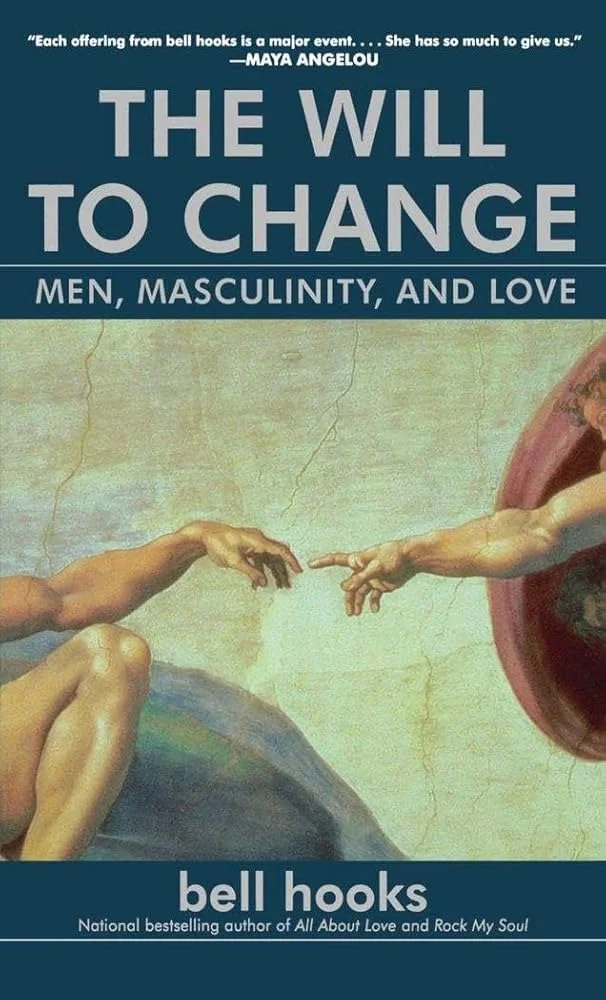
The Will to Change by bell hooks
What it's about:
bell hooks examines how patriarchy damages men and prevents them from accessing love, connection, and emotional wholeness.
Why I recommend it:
If you've struggled to understand the men in your family—distant fathers, emotionally unavailable brothers, partners who can't access vulnerability—this book offers context. hooks doesn't excuse harmful behavior, but she does explain the system that created it. For daughters of complex families, this book can help you see that your father's emotional unavailability wasn't about you; it was about what patriarchy stole from him. Understanding this doesn't heal your wounds, but it can help you stop taking his limitations personally and recognize your own worth independent of his capacity to see it.
This list includes Amazon affiliate links. If you purchase through them, I may earn a small commission at no extra cost to you, it helps support these free resources. These are books I'd recommend regardless. Many are available free through your local library or apps like Libby and Hoopla.
These books offer real insight.
Therapy goes further, working through what's actually keeping these patterns in place, with someone alongside you.